517-540-1100






The Complete Guide to Turf Winterization
Is your lawn ready for the cold Michigan months ahead?
Every fall, homeowners put away the mower and assume the lawn is on autopilot until spring. However, the work you do in late fall is exactly what determines whether your lawn bounces back green and thick in April, or comes up thin, patchy, and full of weeds.
Turf winterization is the practice of preparing your grass for the stress of winter so it survives the cold, comes back strong in spring, and needs less fixing later. It's one of the most important steps in the yearly lawn care calendar.
Why Winterization Matters
Your grass doesn't stop living when the temperature drops. It goes dormant, but it's still using stored energy to survive the freeze-thaw cycles, ice, and heavy snow that Michigan winters throw at it. A lawn that enters winter hungry, stressed, or diseased is far more likely to suffer winterkill — the dead, brown patches you see scattered across lawns every spring.
Winterization does three things:
- Feeds the roots so the lawn has stored energy to draw on all winter.
- Strengthens the grass against cold stress and disease like snow mold.
- Sets up a cleaner start in spring, so the lawn greens up faster and needs less corrective work.
Think of it as putting your lawn to bed properly instead of just shutting the lights off.
Fall Fertilizer Applications
The single most important part of turf winterization is a late-season fertilizer application, usually applied in late October or November once the grass has mostly stopped actively growing.
This is different from your regular-season fertilizer. A winterization application is higher in potassium, which strengthens grass cell walls and helps the plant tolerate cold and drought. It's not about pushing new green growth — it's about building the root system and stored energy the lawn will live on all winter.
Timing matters. Apply too early and you encourage lush top growth that's vulnerable to cold. Apply at the right time and you're feeding the roots exactly when they need it most.
What a Good Winterization Program Covers
Fertilization is the core, but a complete winterization program goes a little further:
- Keep mowing until growth stops. Don't stop mowing just because it's September. Keep cutting as the grass grows, and gradually lower the blade for the final few cuts of the season. Tall grass left going into winter can mat down and trap moisture, which encourages snow mold.
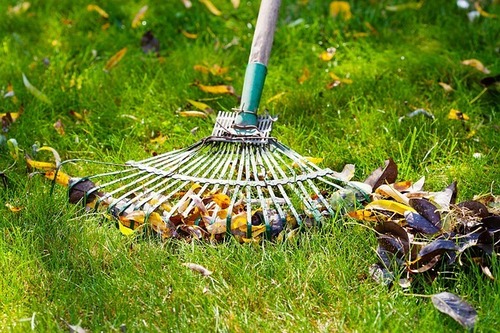
- Clear the leaves. A thick layer of leaves smothers the grass and traps moisture under the snow. Rake or mulch them before the first heavy snowfall.
- Address bare or thin spots. Late fall is a good window to overseed thin areas so they're established before winter and don't invite weeds come spring.
- Let the roots breathe. Core aeration in the fall relieves soil compaction so water, air, and nutrients can reach the roots — especially helpful after a summer of foot traffic.
A professional lawn care service handles all of that for you. They know the right timing for your specific lawn, use the right winterization blend, and apply it evenly so you don't have to guess.
Take the Stress Off – Rely on Professional Howell Lawn Care
Turf winterization is one of the services we offer at Ever So Green. If you want your lawn to come through winter strong and green, the time to act is now!
For help with professional lawn care in Howell and surrounding areas, call us at 517-540-1100 or click here to request a quote.