517-540-1100






April Showers Bring May Flowers... and Crabgrass
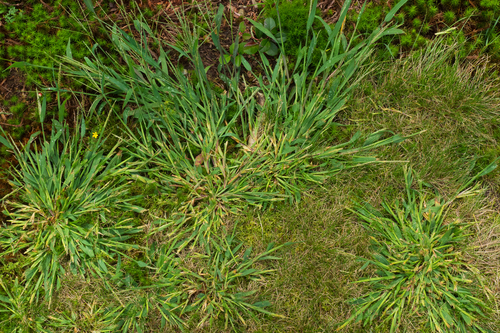
“April showers bring May flowers,” but what they don't tell you is that April showers also bring a stubborn weed: crabgrass. As temperatures rise and rainfall increases, flowers blossom, foliage spreads, and lawns turn vibrant green once again. Those same delightful conditions are also the perfect breeding ground for crabgrass that has lain dormant since winter, which is why professional lawn care for Livingston County residents become so important this time of year.
Spring rain and warming soil create a thriving environment for crabgrass seeds to germinate and grow. Once these seeds begin sprouting, they spread quickly (especially in areas lacking proper maintenance)! Understanding why crabgrass appears and thrives from spring into summer helps homeowners take the right steps to prevent an infestation before it begins.
Why Spring Weather Encourages Crabgrass
Crabgrass seeds sit dormant in cool soil all winter long. Once spring arrives, two things trigger germination:
- Warmer soil temperatures
- Moisture from spring rain
Once soil temperatures reach approximately 50°F, crabgrass seeds begin to sprout. In Livingston County, Michigan, this typically occurs from late March to April (right around the time we experience increased rainfall).
Those moist conditions are great for vibrant flowers and healthy turf alike, but they're equally welcoming to pesky weeds like crabgrass. Each plant can produce thousands of seeds before dying in the fall. The seed bank in an untreated lawn grows bigger every year, meaning each spring brings more crabgrass than the previous year.
Why Crabgrass Spreads So Easily
Crabgrass is a warm-season annual weed, meaning it grows aggressively during the warmer months and dies off in the fall. Before dying, each plant drops thousands of seeds into the soil to wait for next spring to grow. A small crabgrass problem one year can easily become an infestation the following season if not addressed early on.
Crabgrass also thrives in conditions that are common in many Livingston County lawns:
- Thin or patchy turf with little competition
- Bare soil areas left open by winter damage
- Compacted ground where healthy grass struggles to grow
- Sunny areas that warm up quickly in spring
Once it’s established, crabgrass can crowd out desirable, lush grass and leave your lawn looking uneven, sparse, and unkempt all summer long.
Why Prevention Is the Best Strategy
Prevention is far superior to removal treatments for crabgrass. Pre-emergent herbicides are designed to stop seeds from sprouting; however, they must be applied before germination begins, making timing critical.
Apply too early, and the product may lose effectiveness before the seeds sprout. Apply too late, and the crabgrass has already begun growing. The best course is specialized lawn care programs that focus on carefully timed spring treatments to prevent crabgrass before it ever appears.
How Professional Lawn Care Helps
Professional lawn care removes the guesswork from crabgrass prevention by monitoring local conditions and applying treatments at the optimal time. A professional program typically includes:
- Pre-emergent crabgrass control applications timed to actual soil temperatures
- Seasonal fertilization to strengthen and thicken turfgrass
- Broadleaf weed control for complete weed management
- Lawn health practices like aeration and midseason follow-up treatments
A thicker, healthier lawn serves as a natural defense for your lawn, which makes it harder for weeds to take hold. Investing in a lawn care program gives crabgrass fewer opportunities to get started, leaving your yard lush all summer long.
Serving Livingston County Since 1997
We’ve been helping homeowners like you maintain healthy, crabgrass-free lawns since 1997. Our lawn care programs include crabgrass prevention treatments scheduled around local weather conditions to provide maximum protection all summer long.
If you're looking for professional lawn care in Livingston County, we offer programs designed to protect your lawn from crabgrass and keep it looking its best from spring through fall.
Take control of crabgrass before it spreads. Call 517-540-1100 or request your personalized quote online and protect your lawn today.